
When you are missing one or more teeth, the gap can be eliminated with a bridge. This restoration looks just like your natural teeth and also serves to keep your teeth aligned correctly. Top Thousand Oaks dentist, Dr. Chow provides his patients with a dental bridge to both enhance their smiles and maintain oral health.
Dental Bridges


To remedy a missing tooth with a bridge, the two teeth flanking the gap are capped with crowns. A false tooth is attached between each crown, fulfilling the function of the previously missing tooth. The whole restoration is one piece and fixed permanently. The two crowned teeth on either side of the gap provide the anchor to hold the bridge in place. If you already have crowns covering the teeth surrounding a gap, or they need crowns, a bridge may be a good option.
The reason is because these teeth, in order for a crown to fit over them, must be shaved down. If those surrounding teeth are not crowned yet and are healthy, a better alternative may be a dental implant. A gap left by a missing tooth is an invitation for trouble. Without a substitute tooth, the surrounding teeth will start to shift their position into the empty space. This will in turn affect your bite, open the door to gum disease, and TMJ (temporomandibular joint) problems. Dr. Albert Chow provides one the best economical choices for a dental bridges in Thousand Oaks.
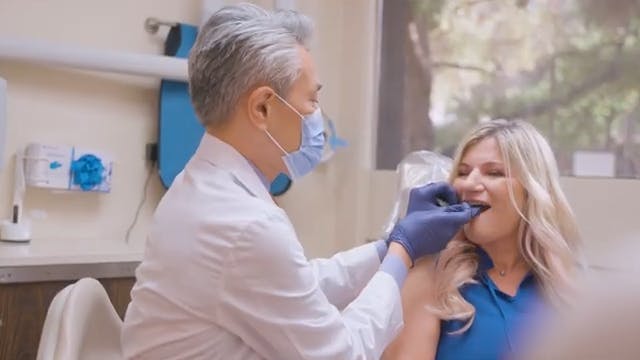
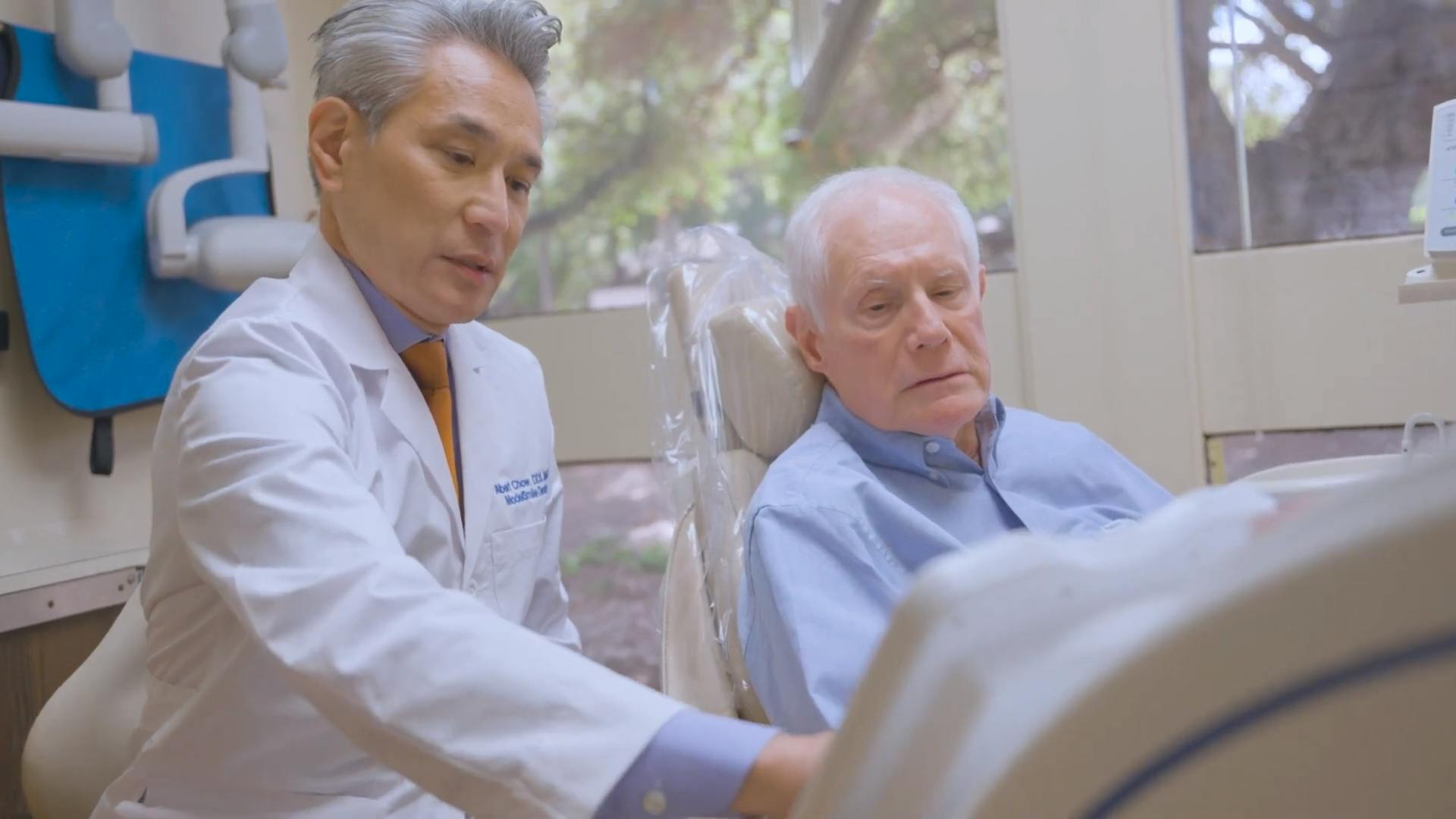
Meet Dr. Albert Chow at ModelSmile Dentistry
Real Patient Reviews

Procedure For Getting Your Dental Bridge
Once the anchoring teeth have been shaved down in size, Dr. Chow will take an impression of your teeth. This impression will be made into a mold that exactly represents your teeth, including their size and position. He will also use a shade guide to be sure porcelain crowns match your other teeth, unless you opt for a metal crown.
Your bridge and crowns will be custom made in a lab with the specifics supplied by Dr. Chow. It's possible a temporary bridge will by placed while your permanent bridge is being made. When it is ready, Dr. Chow will remove the temporary bridge and cement the permanent bridge in place via the anchoring crowns on either side of the gap.


Specialty Procedures



FAQs
How are traditional dental bridges installed safely when replacing older metal restorations on supporting teeth?
Can holistic ozone therapy be incorporated into the preparation of a dental bridge?
What is the difference between a traditional dental bridge and implant-supported bridges?
How do dental bridges help stabilize jaw function and bite alignment?
How can dental bridges be combined with other cosmetic and preventive procedures?
How are traditional dental bridges installed safely when replacing older metal restorations on supporting teeth?
If anchor teeth currently host legacy metal fillings, protocols like Safe Mercury Removal can be performed prior to shaping the abutments. This ensures the foundational teeth under your new bridge are cleared of toxins and restored with health-focused materials.
Can holistic ozone therapy be incorporated into the preparation of a dental bridge?
Yes. Applying Ozone Dentistry to the supporting abutment teeth prior to final bridge placement sterilizes underlying tooth structure. This natural antimicrobial treatment helps prevent recurrent decay underneath the pontic and crown caps.
What is the difference between a traditional dental bridge and implant-supported bridges?
A traditional bridge relies on adjacent natural teeth crowned with Crowns to hold the artificial tooth in place. Alternatively, implant-supported bridges utilize Dental Implants—or biocompatible Ceramic Dental Implants—to anchor the restoration without modifying surrounding natural teeth.
How do dental bridges help stabilize jaw function and bite alignment?
Missing teeth allow remaining teeth to shift, which distorts your natural bite and puts excess pressure on jaw joints. Replacing missing teeth with a custom bridge restores proper chewing balance, helping to prevent or relieve symptoms of TMJ & Jaw Pain.
How can dental bridges be combined with other cosmetic and preventive procedures?
Dental bridges can be integrated alongside adjacent Porcelain Veneers or removable Dentures, with remaining teeth brightened through KöR Whitening. If tissue loss is present, Gum Grafting secures healthy gum contouring around the bridge. Long-term success is maintained through routine Teeth Cleaning, and patients undergoing bridge prep can complete their visits anxiety-free using Sedation Dentistry.