As a holistic dentist, Dr. Chow and his entire staff are very interested in seeing that your dental treatment is done with an eye toward your whole body health. This means performing dental treatments that are as non-invasive, painless, and non-toxic as possible. A patient in pain will begin to avoid needed treatments, resulting in worsening oral health. Toxic elements can have a bad effect on other parts of the body, causing adverse reactions and conditions.
Safe Mercury Removal Thousand Oaks


Dr. Chow is a firm believer in non-amalgam fillings as part of his holistic philosophy and practice. As a mercury-free dentist, he only uses porcelain or resin materials for fillings, which are an excellent alternative to amalgam. In addition, he's also a mercury-safe dentist, meaning he follows exact guidelines for removing amalgam fillings so there is no or minimal mercury leakage. Not all dentists do. You need to see Dr. Chow for the most thorough and among the best safe mercury removal Thousand Oaks has to offer.

Why is Mercury Bad?
Amalgam fillings, those silver-colored metal restorations that dentists have used for many years, contain mercury. There is evidence that points to the association between mercury exposure and several physical maladies. An amalgam filling will release mercury vapor every time pressure is applied to one, as in chewing. The vapor invades the bloodstream and is thought to cause or accelerate inflammation that is occurring in the bodies of some patients. Mercury has been associated with conditions such as Alzheimer's disease, Parkinson's disease, and a lowered immune system, among others.
Real Patient Reviews


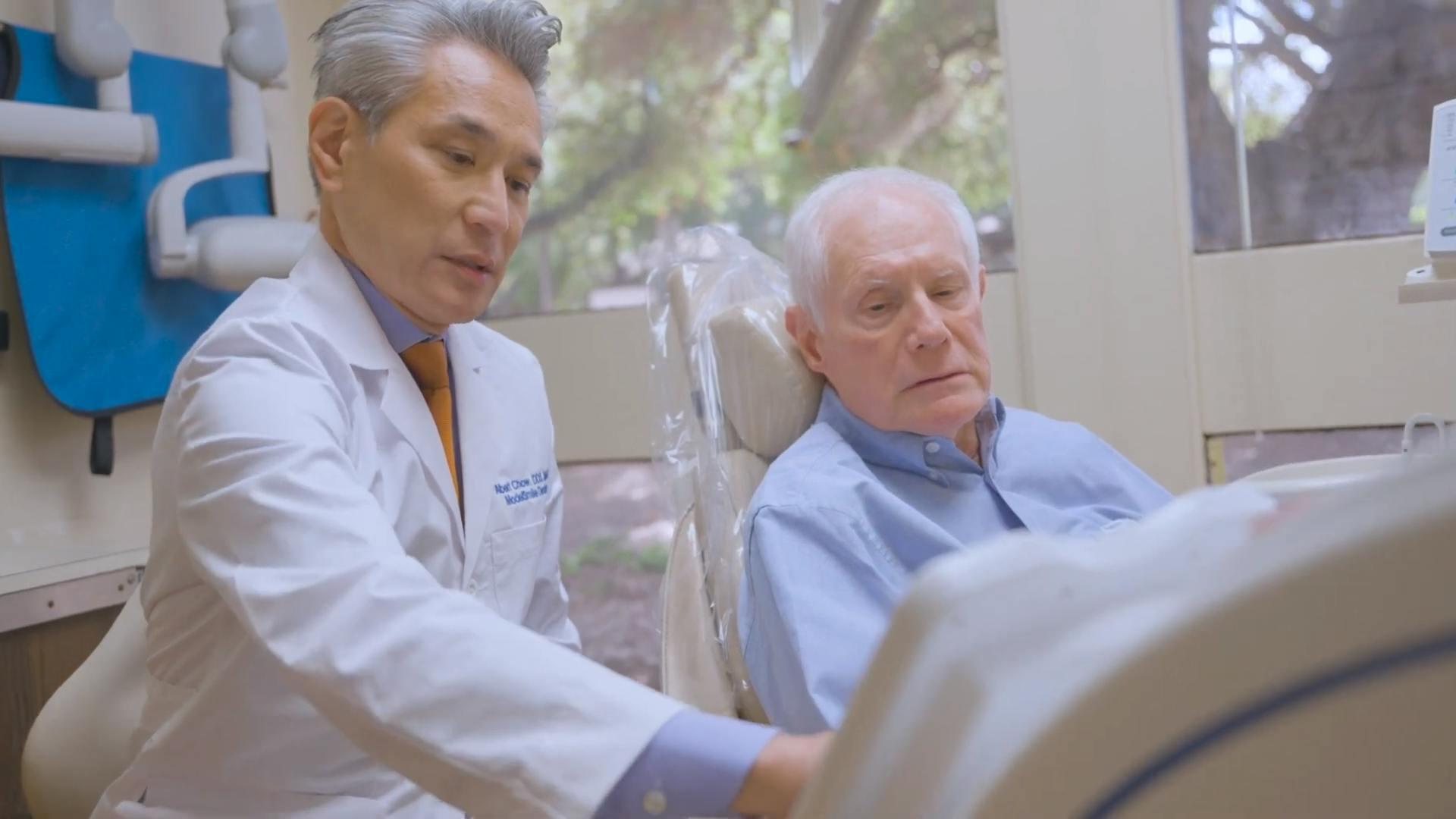
Meet Dr. Albert Chow at ModelSmile Dentistry



Safe Mercury Removal FAQs
Why is standard drill-and-suction unsafe for removing silver amalgam fillings?
What non-toxic materials are used to replace mercury amalgam fillings once removed?
Can I remove all of my mercury amalgam fillings in a single visit?
Should I consult with a functional medical doctor or nutritionist before amalgam removal?
What precautions are taken to protect patients with severe chemical or metal sensitivities during the removal process?
Why is standard drill-and-suction unsafe for removing silver amalgam fillings?
Standard high-speed drilling without containment protocol grinds the amalgam, releasing concentrated mercury vapor and fine particulate aerosol. This process can significantly increase acute mercury inhalation and systemic exposure compared to leaving the filling intact. Following strict protocols like the IAOMT SMART protocol (including cold-water coolant, rubber dams, high-volume evacuation, and supplemental oxygen) isolates the tooth and traps airborne particles. Learn more about how these principles fit into our overall approach to Integrative & Holistic Dentistry.
What non-toxic materials are used to replace mercury amalgam fillings once removed?
Once an amalgam filling is safely removed, the tooth is restored using non-metallic, biocompatible materials such as composite resins or ceramic/porcelain inlays and ceramic crowns. These metal-free options mimic the natural expansion and contraction of your natural tooth structure without leaking toxic vapor. If you require a full tooth replacement rather than a filling, we also offer non-metallic, biological Ceramic Dental Implants as a completely biocompatible alternative.
Can I remove all of my mercury amalgam fillings in a single visit?
While it is technically possible for some patients, the recommended approach depends on the total number of amalgam fillings, their quadrant locations, and your personal medical history. Segmenting removal across multiple targeted appointments prevents prolonged strain on your body’s natural detoxification pathways and ensures maximum precision during each procedure. For answers to other general treatment and scheduling questions, visit our Dental FAQs.
Should I consult with a functional medical doctor or nutritionist before amalgam removal?
Yes, partnering with a functional medicine practitioner, naturopath, or nutritionist can be highly beneficial, especially for patients with active autoimmune symptoms, chronic fatigue, or known heavy metal sensitivities. While Dr. Chow manages the safe physical containment and dental restoration, a medical provider can guide pre- and post-removal nutritional support, binding protocols, or heavy metal detoxification tailored to your systemic health. Patients traveling to our clinic for specialized integrative care can review options on our Out of Town Patients page.
What precautions are taken to protect patients with severe chemical or metal sensitivities during the removal process?
For patients with compromised immune systems or heightened sensitivities, we prioritize low-stress, minimally invasive techniques. In addition to physical barriers like rubber dams and specialized air filtration, we utilize advanced biological modalities such as Oxygen-Ozone Dentistry to naturally disinfect and sanitize the exposed dentin bed before placing the new biocompatible restoration.